Branded games your customers actually want to play. Spin wheels, word puzzles, and daily games that create the same habit loop Duolingo uses — but for your storefront.
The habit loop that keeps customers coming back
Daily Games are branded, NYT-style mini-games embedded directly in the Nudj widget. Customers play to win points, giveaway entries, or exclusive rewards. The games refresh daily — creating the same "one more round" pull that makes mobile gaming a $100B industry.
Configure once, and the games auto-generate from your catalog and brand settings indefinitely.
Game types
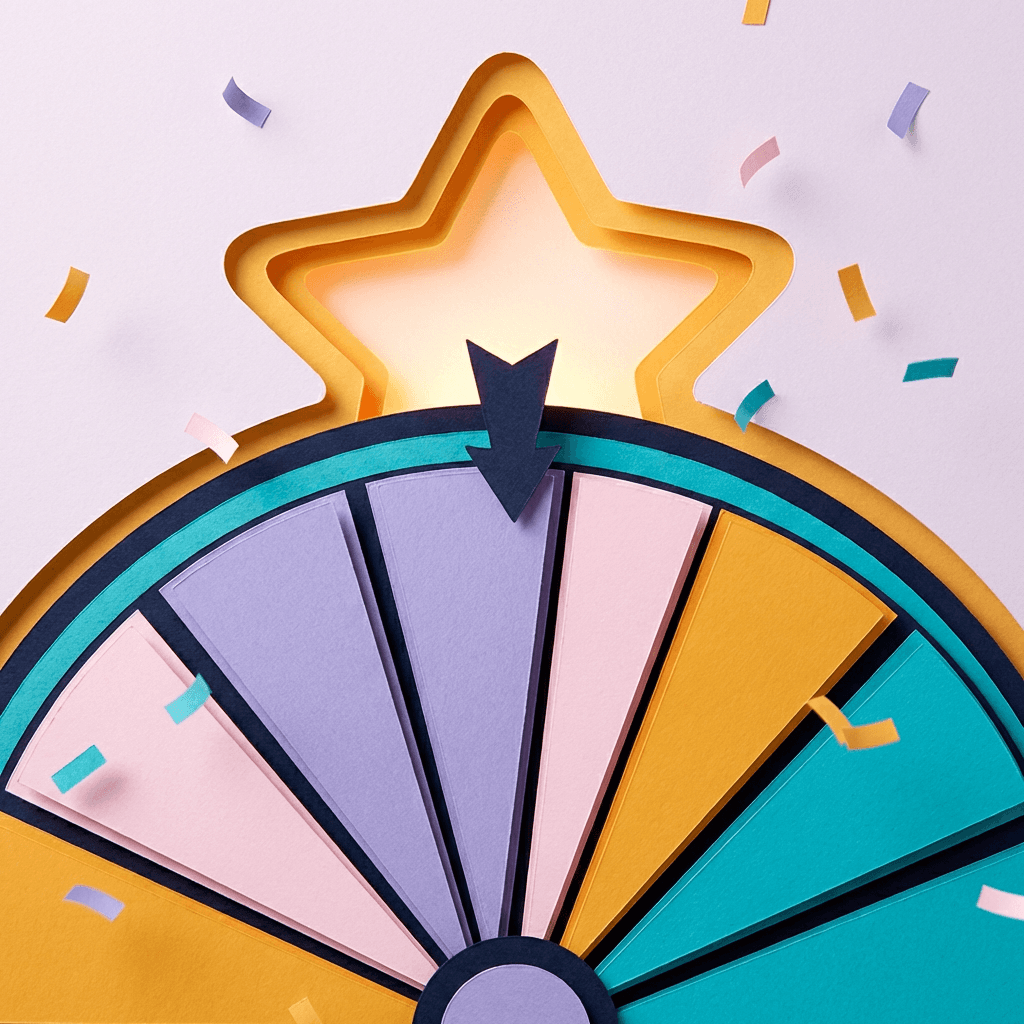
Spin Wheel — fully configurable segments with variable rewards. Some spins win 10 points. Some win 1,000
Word Puzzles — branded word games with daily refreshes. Think Wordle, but with your product names
Trivia — timed quiz rounds with streak bonuses
Scratch Cards — virtual scratch-off cards with instant reveal
The psychology: why games work where loyalty apps don't
Traditional loyalty apps fail because they're transactional. Games work because they exploit three behavioural principles:
Variable reward schedules — the uncertainty of "what will I win today?" drives more daily visits than any fixed reward
The Zeigarnik effect — an unfinished game creates mental tension. Customers think about your brand between sessions
Social comparison — players share scores and challenge friends. Your game becomes word-of-mouth marketing
How games compound with other mechanics
Games feed every other mechanic in the platform:
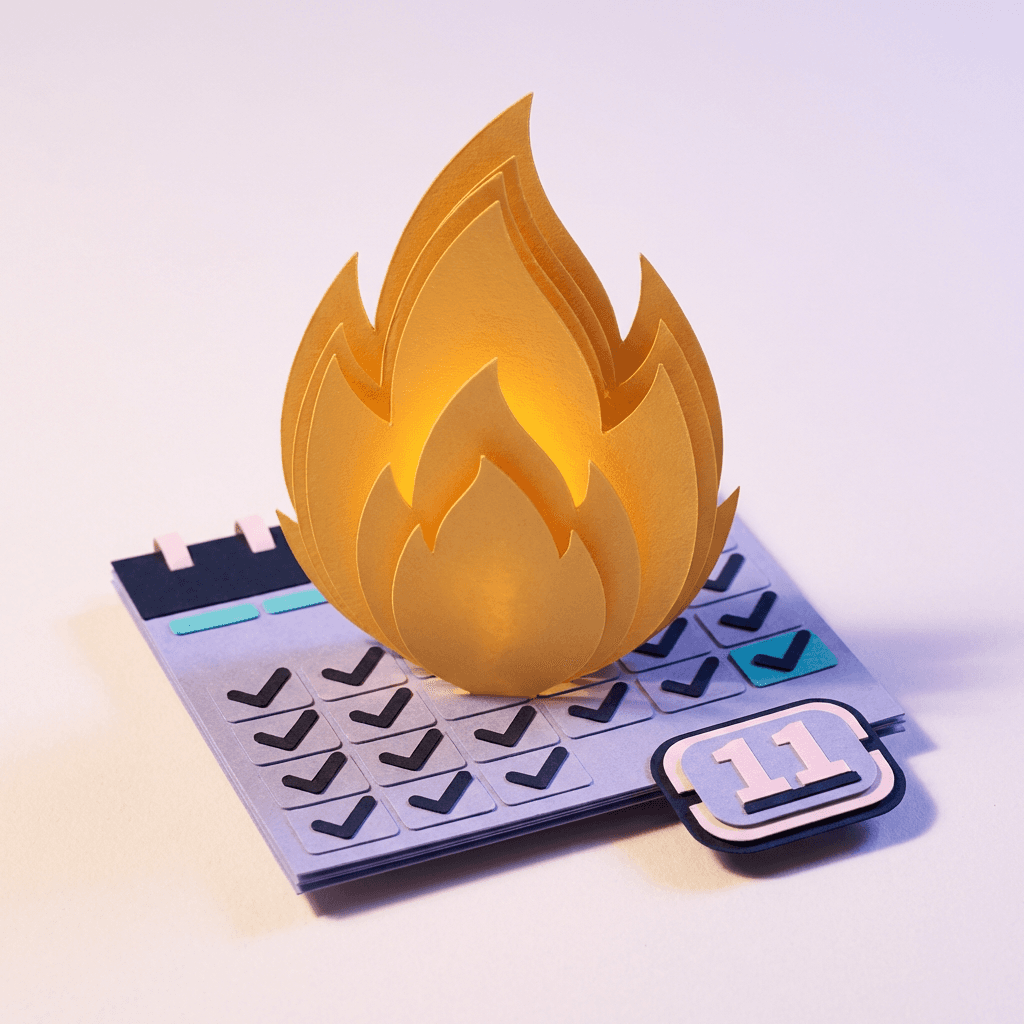
Streaks — consecutive daily plays maintain streak counters
Leaderboards — game scores feed competitive rankings
Giveaways — game wins can include giveaway entries
Achievements — "Play 30 days in a row" unlocks badges
Zero-party data — trivia answers reveal customer preferences
Set up in 5 minutes. Runs forever.
Pick your game types. Set your reward ranges. Choose your daily refresh schedule. The AI handles the rest.
Before & After
Before games: Your store is a catalogue. Customers visit when they need to buy. Between purchases: silence.
After games: Your store is a destination. Customers visit to play, earn, and compete — even when they're not buying.